Faculty & Research
Like Nowhere Else
Challenging, Practical, Supportive
Mizzou Law faculty are composed of outstanding teachers and scholars with national and international reputations.
- Scholarship by Mizzou Law Faculty has been cited by all levels of the federal courts – including the United States Supreme Court – as well as by the legislatures and supreme courts of several states. The faculty ranks consistently high in studies measuring scholarly productivity and impact. More than a dozen casebooks authored by Mizzou Law faculty members are used in law schools throughout the United States.
- Mizzou Law faculty are committed to educating students and preparing them for the practice of law and boasts a number of award-winning teachers.
- Mizzou Law faculty contribute to the profession in a number of ways. Faculty serve as Commissioners of the National Conference on Uniform State Law, as officers of the Association of American Law Schools, as State Supreme Court Fellows, as Fulbright Scholars, and as members of the American Law Institute.
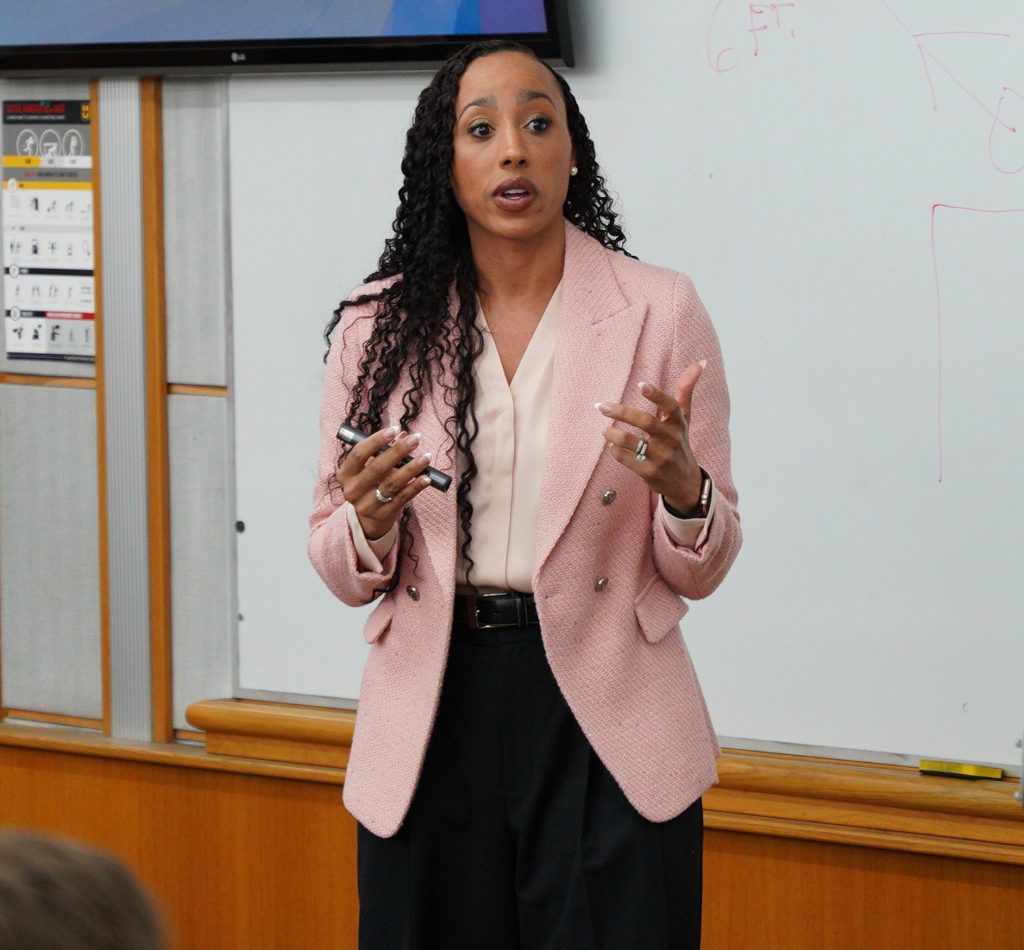
Faculty Resources
Highly Reputed Faculty
Faculty Scholarship
Mizzou Law faculty have been published in national academic journals, called upon by media outlets around the country, and have presented around the world on a variety of legal issues.

Exploring New Scholarship
Faculty Speaker Series
The Mizzou Law Faculty Speaker Series explores new scholarship by Mizzou law faculty, professors from other law schools, and University of Missouri scholars whose work intersects with law.

Faculty News

Oct. 26, 2026
Professor Gamage’s article reviewed in Jotwell
Professor David Gamage’s recent article, “Expert Report On the California 2026 Billionaire Tax: Revenue, Economic, and Constitutional Analysis,” was identified as one of the best works of recent scholarship relating to tax law in a review recently published in Jotwell: The Journal of Things We Like (Lots). To read the full review of Professor Gamage’s article, click here.
Oct. 23, 2026
Mizzou Tax Law Colloquium to host NYU professor
On Oct. 28, Daniel Hemel (NYU Law) will present “Death, Taxes, and Chicks.” This session will be an in-person presentation and open only to guests who can join us in the law school, from 2:00 to 3:15 pm Central Time. For a full list of invited guest speakers and their paper topics for fall semester 2026, please visit our Tax Law Program page.
Oct. 20, 2026
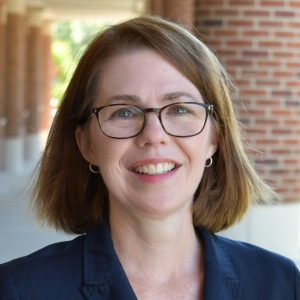
Professor Sperino publishes 11th edition of her employment discrimination book
Professor Sandra Sperino has published the eleventh edition of her “Federal Law of Employment Discrimination in a Nutshell.” Her book provides law and undergraduate students with a foundational understanding of this complex area of law while offering practitioners an up-to-date review of key legal principles and developments. The book focuses on the principal federal statutes governing workplace discrimination, including Title VII of the Civil Rights Act of 1964 (race, color, national origin, sex, and religious discrimination), the Age Discrimination in Employment Act, the Americans with Disabilities Act, and the Pregnant Workers Fairness Act. The book…